
anthonykrome46
About anthonykrome46
The Position of Precious Metals IRA In Diversifying Your Retirement Portfolio
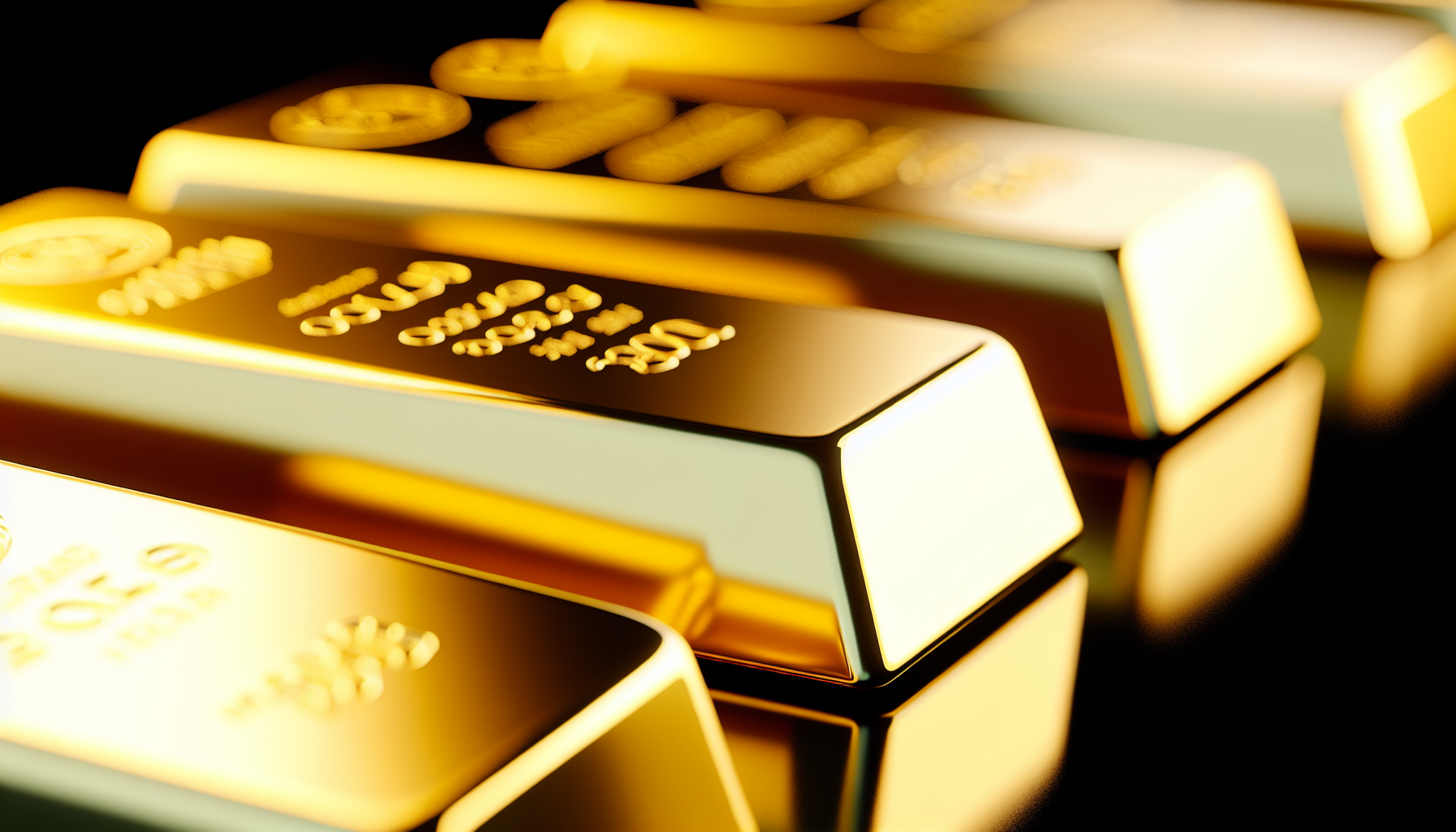
In in the present day’s monetary landscape, retirement planning has grow to be more and more complicated. With the volatility of conventional markets and the ongoing uncertainty surrounding economic conditions, investors are looking for various avenues to safeguard their retirement savings. One such avenue is the Valuable Metals Individual Retirement Account (IRA), which allows individuals to spend money on physical treasured metals corresponding to gold, silver, platinum, and palladium. This text explores the significance of Valuable Metals IRAs, their benefits, and concerns for traders looking to diversify their retirement portfolios.
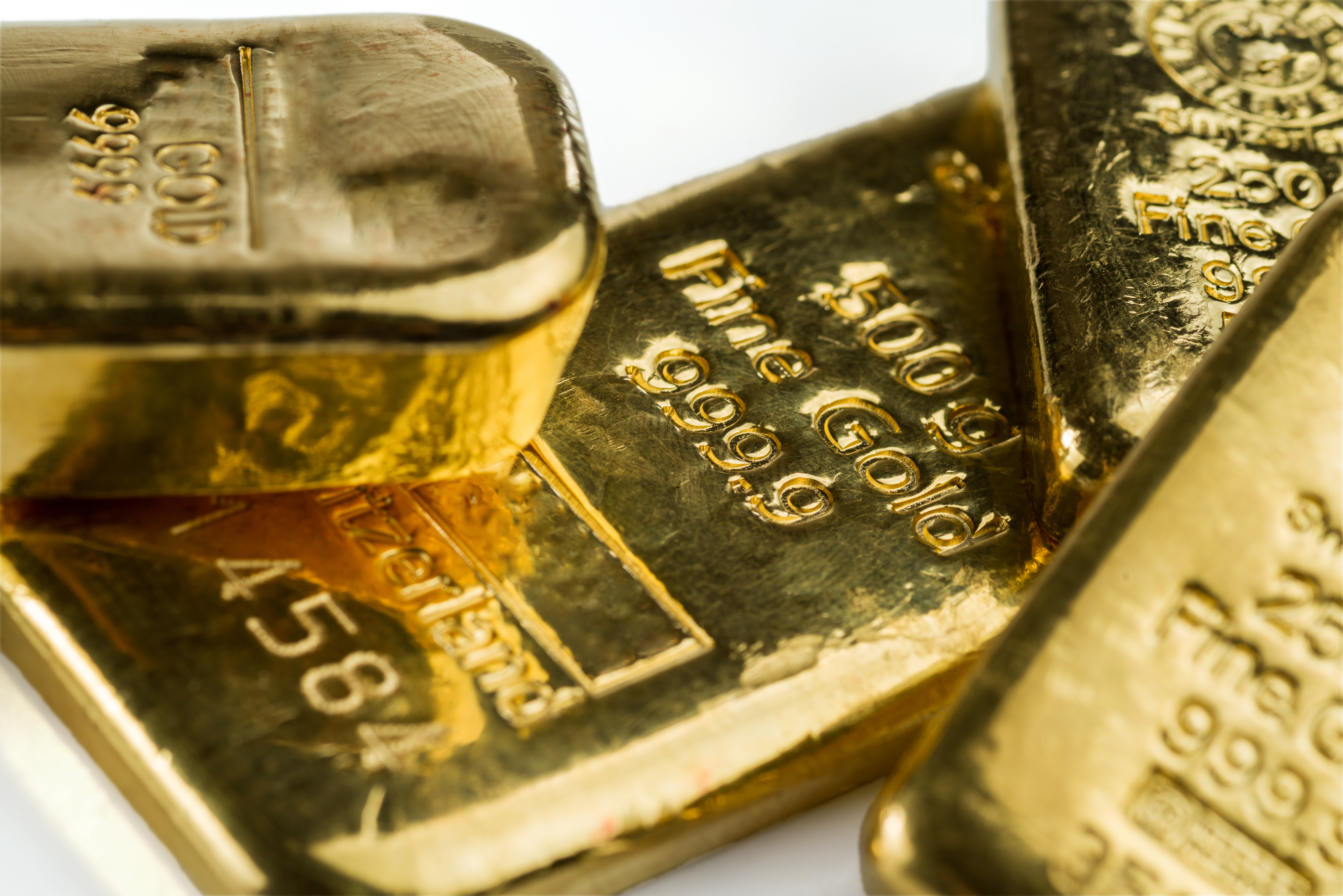
Understanding Precious Metals IRA
A Precious Metals IRA is a sort of self-directed IRA that allows individuals to hold physical precious metals as a part of their retirement financial savings. Unlike traditional IRAs, which typically hold stocks, bonds, or mutual funds, a Precious Metals IRA allows for the inclusion of tangible belongings. Any such investment is appealing to those who want to hedge in opposition to inflation, geopolitical instability, and financial downturns.
Why Invest in Valuable Metals?
- Hedge Towards Inflation: Valuable metals, significantly gold, have traditionally served as a hedge against inflation. When fiat currencies lose worth, the worth of treasured metals tends to rise. This inverse relationship may help preserve buying energy over time.
- Protected Haven Asset: Throughout occasions of financial uncertainty or market volatility, traders usually flock to precious metals as a secure haven. Gold and silver have intrinsic worth and are not topic to the same dangers as stocks or bonds, making them a popular selection during turbulent instances.
- Diversification: Incorporating treasured metals right into a retirement portfolio can enhance diversification. By spreading investments across various asset courses, traders can scale back total threat and enhance the potential for returns. Valuable metals often have a low correlation with traditional investments, making them an efficient device for risk administration.
- Tangible Asset: Unlike stocks or bonds, precious metals are physical property that buyers can hold of their arms. This tangibility can present a way of security for those who are cautious of the digital nature of modern investments.
Varieties of Precious Metals for IRA Investment
- Gold: Gold is the most popular treasured steel for IRA investments. It is recognized globally and has a protracted historical past as a retailer of worth. Investors can choose from numerous forms of gold, together with coins and bars, so long as they meet the IRS purity requirements.
- Silver: Silver is one other broadly sought-after metal for IRAs. It is often extra affordable than gold, making it accessible for a broader vary of traders. Silver additionally has industrial purposes, which may affect its demand and value.
- Platinum and Palladium: These metals are much less widespread however can offer distinctive funding alternatives. Platinum and palladium are primarily utilized in industrial functions, comparable to automotive catalytic converters, which can have an effect on their market demand and pricing.
Setting up a Precious Metals IRA
Setting up a Precious Metals IRA involves several steps:
- Select a Custodian: The IRS requires that each one IRAs be held by a certified custodian. Investors must select a custodian specializing in treasured metals IRAs, as they may handle the administrative aspects of the account.
- Fund the Account: Buyers can fund their Precious Metals IRA through varied means, together with rolling over funds from an present retirement account or making direct contributions. It is essential to know the contribution limits and tax implications related to these transactions.
- Choose Treasured Metals: Once the account is funded, buyers can select the particular treasured metals they wish to purchase. It is crucial to ensure that the chosen metals meet IRS standards for purity and form.
- Storage: The IRS mandates that bodily treasured metals held in an IRA be stored in an authorised depository. Buyers can not take physical possession of the metals until they withdraw them from the IRA, ensuring compliance with IRS rules.
Benefits of Precious Metals IRA
- Tax Advantages: Like traditional IRAs, Valuable Metals IRAs supply tax-deferred development. Which means investors do not pay taxes on any features till they withdraw funds from the account. Additionally, investors can select a Roth Precious Metals IRA, permitting for tax-free withdrawals in retirement.
- Wealth Preservation: Treasured metals have an extended-standing reputation for preserving wealth. By including them in a retirement portfolio, investors can protect their savings from market fluctuations and financial downturns.
- Legacy Planning: Treasured Metals IRAs can be an efficient tool for legacy planning. Buyers can pass down their treasured metals to heirs, providing them with a tangible asset that can retain value over time.
Issues for Investors
Whereas Precious Metals IRAs supply quite a few advantages, traders also needs to be aware of potential drawbacks:
- Greater Fees: Precious Metals IRAs typically include greater charges compared to traditional IRAs. Investors should consider the prices related to custodial services, storage, and the purchase of treasured metals.
- Market Volatility: Though treasured metals can serve as a safe haven, they are not immune to market fluctuations. Prices could be influenced by various components, including provide and demand dynamics, geopolitical events, and modifications in curiosity rates.
- Restricted Growth Potential: Precious metals don’t generate earnings like stocks or bonds. While they can admire in worth, buyers ought to be ready for the potential for limited development in comparison with different investment choices.
- Regulatory Compliance: Traders must be sure that their Precious Metals IRA complies with IRS laws. Failure to adhere to those guidelines can lead to penalties and tax consequences.
Conclusion
In conclusion, a Precious Metals IRA is usually a precious addition to a diversified retirement portfolio. By offering a hedge towards inflation, serving as a secure haven throughout economic uncertainty, and offering potential tax benefits, precious metals can assist investors protect and develop their retirement savings. Nevertheless, it is important for investors to conduct thorough analysis, perceive the related prices, and consult with monetary advisors to make informed decisions. Because the monetary landscape continues to evolve, incorporating valuable metals into retirement planning may offer a strategic means of attaining lengthy-time period financial security.
No listing found.
